Claims
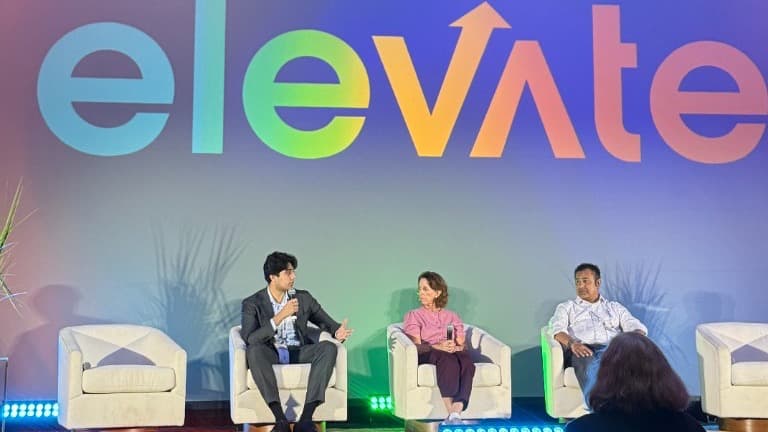
AI in Workers' Comp: What We Covered at Elevate 2026
In case you missed it: why AI in workers' comp is about more than document summarization, what separates successful implementations, and how to stay in control.
Read the articleIn case you missed it: why AI in workers' comp is about more than document summarization, what separates successful implementations, and how to stay in control.
Read the article
Claims systems keep improving while the claim itself gets harder to understand. The work now spans email, vendor platforms, portals, and counsel, and the hard problem has shifted from storing information to maintaining context.

Some IMEs fit neatly inside one specialty and some do not. How to tell when a case genuinely needs a second evaluator, and why adding specialists without defined questions produces more reports rather than more clarity.
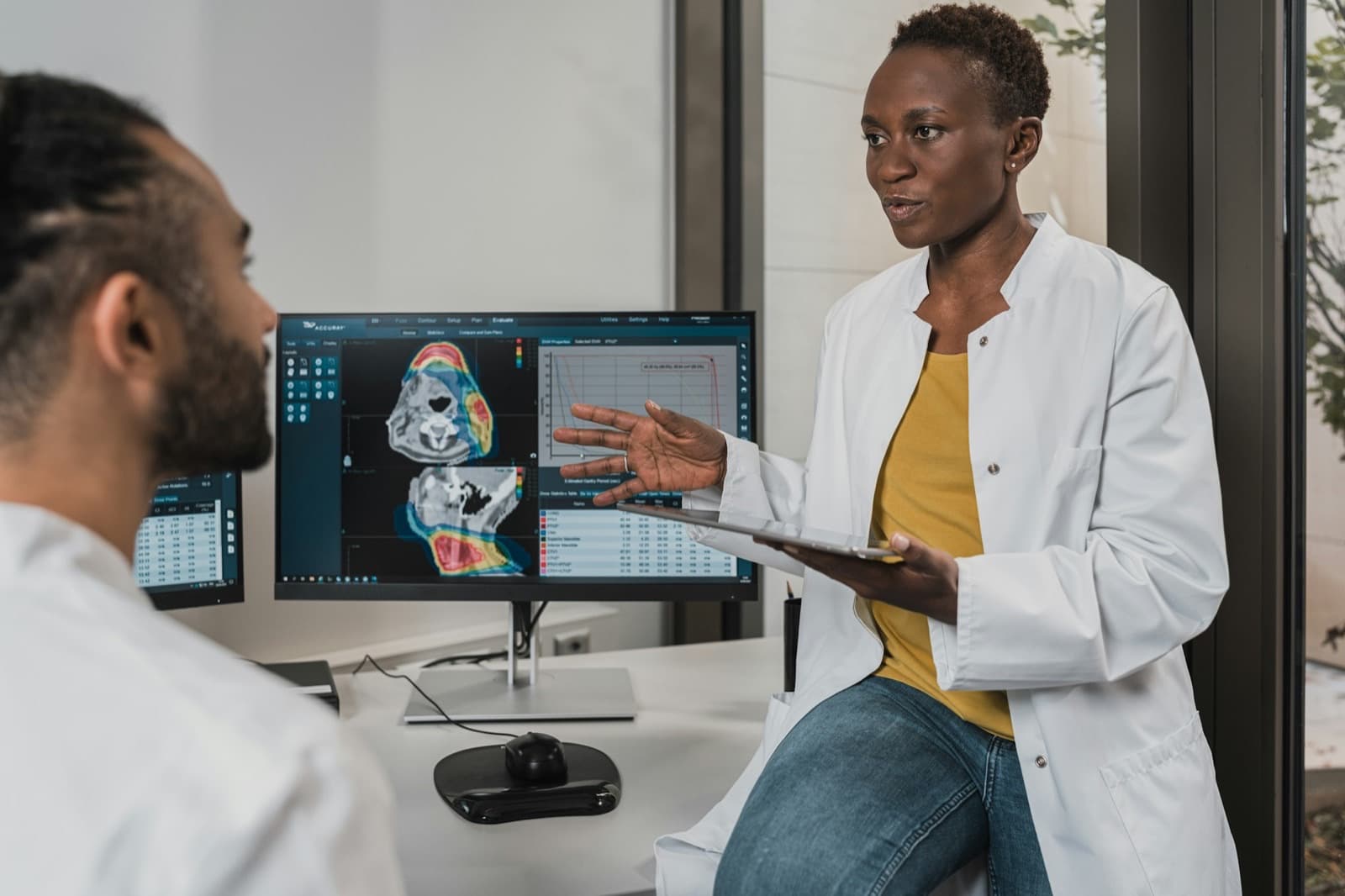
A QME does not automatically overrule the treating physician. Here's why the two opinions diverge, what evidence each doctor actually had, and what makes one medical opinion more persuasive than another.

When a claim moves to a new adjuster, the file doesn't just change ownership. The reasoning behind it has to be rebuilt. Here's why that recovery work is so costly and how to reduce it.

When key records show up after the injured worker has already left the office, the physician loses the chance to ask the questions those records would have raised.

Independent medical examinations start with a built-in credibility problem. Here's how evaluators close that gap through scope, sourcing, tone, and honest uncertainty, not just the word "independent."
SB 171 tightens SIBTF eligibility with a contemporaneous-evidence standard, the combined values chart, new filing deadlines, and a grandfather clause for pending claims.

A practical guide to data minimization, HIPAA and NAIC requirements, vendor questions, access controls, and matching human review to the consequence of the action.

How HIPAA applies when AI tools touch protected health information: business associate agreements, minimum necessary access, training-data risk, and audit trails.

The most common delays are not caused by the medical evaluation itself. They occur because records, histories, decisions, and administrative steps reach the physician in the wrong order.
See how Docura can fit into your med-legal workflow. Book a 15-minute demo and we'll show you exactly how it works with your case types.